
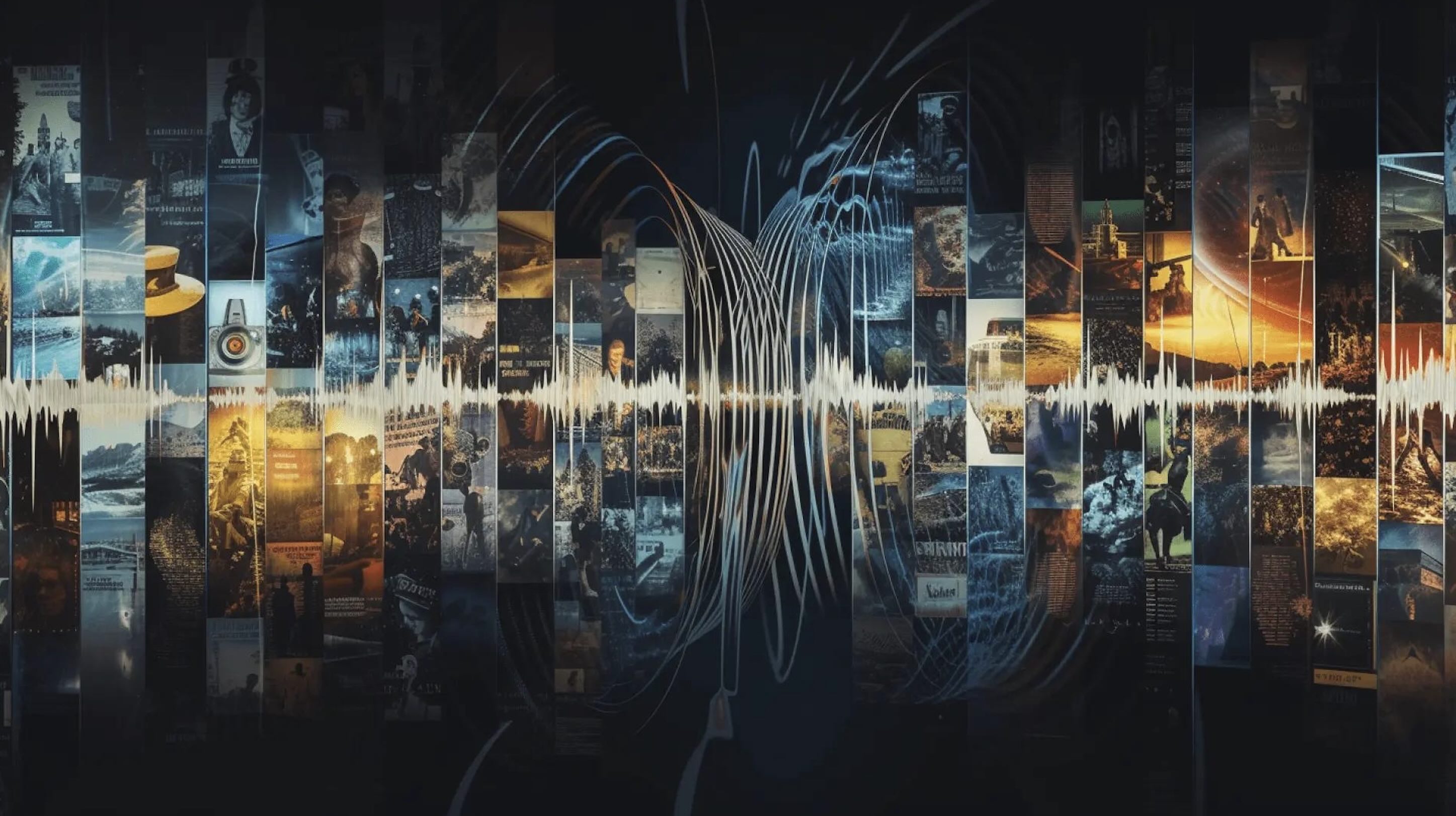

One of the things I have found working in video production is that sound design literally makes a film. It makes an advert. For me, sound design is probably the most important thing you can do for any piece of videography - and yet it is almost always the last thing clients think about.
Think about horror films like The Conjuring. You do not actually see much in that film. James Wan builds almost the entire experience through sound - the clapping game in the dark, the slow creak of a door, the silence that sits just long enough to make your skin crawl before something hits. Without the sound design, it would not be remotely scary. The visuals alone are not doing the heavy lifting. The audio is.
And if you want proof of how much a soundtrack changes everything, watch the infamous Bruce Lee versus Chuck Norris fight scene from Way of the Dragon. Someone took that scene - one of the most iconic martial arts sequences ever filmed - and dubbed Careless Whisper by George Michael over the top of it. Suddenly, two men preparing to fight to the death, nowlooks like a slow, romantic undressing. Same visuals. Completely different film. That is the power of sound.
Yet in most briefing conversations, sound is an afterthought. Clients spend hours discussing colour grading, camera angles, and graphics - then allocate sound design to the last 10% of the budget and timeline. At McGill Productions, sound is not a post-production add-on. It is a creative pillar that shapes the film from concept stage. Our work on the Protein Works campaign was built around a sound-first creative approach - and it won industry awards for a reason.
The conventional production workflow starts with visuals: storyboard, shoot, edit picture, then add music. We often flip this. By selecting or composing the music first, we create an emotional scaffold that the visuals are built around. The rhythm of the edit follows the rhythm of the track. Transitions happen on beats. Emotional peaks align with musical crescendos.
This approach produces films that feel more cohesive and emotionally resonant, because the audio and visual tracks were conceived as one piece rather than bolted together at the end.
Silence is not the absence of sound design - it is one of the most powerful tools in the sound designer's toolkit. A moment of quiet after a loud sequence creates a physiological response in the viewer. Their breathing changes. Their attention sharpens. That is the moment to deliver your most important message.
In brand film, strategic silence can also signal confidence and authority. It says: we do not need to fill every second with noise. We trust our audience to sit with a moment and feel it.
Foley - the art of recording custom sound effects in sync with on-screen action - is what separates professional brand film from content that feels generic. The sound of a hand running across a textile. A coffee being poured. Footsteps on a factory floor. These are the textures that make a viewer feel like they are physically present in the scene.
Stock sound libraries have their place, but they are generic by design. Custom foley, matched precisely to your footage, creates an immersive quality that audiences feel even if they cannot articulate why.
Sound designers think in frequencies. Low-end rumbles create a sense of weight and gravity - think of how a cinema subwoofer makes an explosion feel visceral. Mid-range frequencies carry dialogue and melody, where human attention naturally focuses. High-end detail - the crisp click of a mechanism, the shimmer of glass - signals precision and quality.
By carefully balancing these frequencies across the duration of a film, a sound designer can subtly guide the viewer's emotional state and attention without them ever consciously noticing.
Visual branding gets all the strategic attention, but audio branding - a sonic logo, a signature sound palette, a consistent music genre - can be equally powerful for brand recognition. Think of Intel's five-note motif, or Netflix's "ta-dum." These sounds are instantly recognisable, even without visuals.
For brands investing in ongoing video content, developing a consistent audio identity across all outputs creates cumulative recognition that strengthens with every piece of content published.
Sound design is not a technical afterthought - it is a strategic creative decision that affects how your audience feels, what they remember, and whether they take action. If your current video content treats audio as an editing-suite checkbox rather than a creative pillar, you are leaving impact on the table.
We build sound into our creative process from day one. If you are planning a project where audio could be the difference-maker, we should talk.
.png)


